Scrolling Into Hunger: The Performance of Health Online
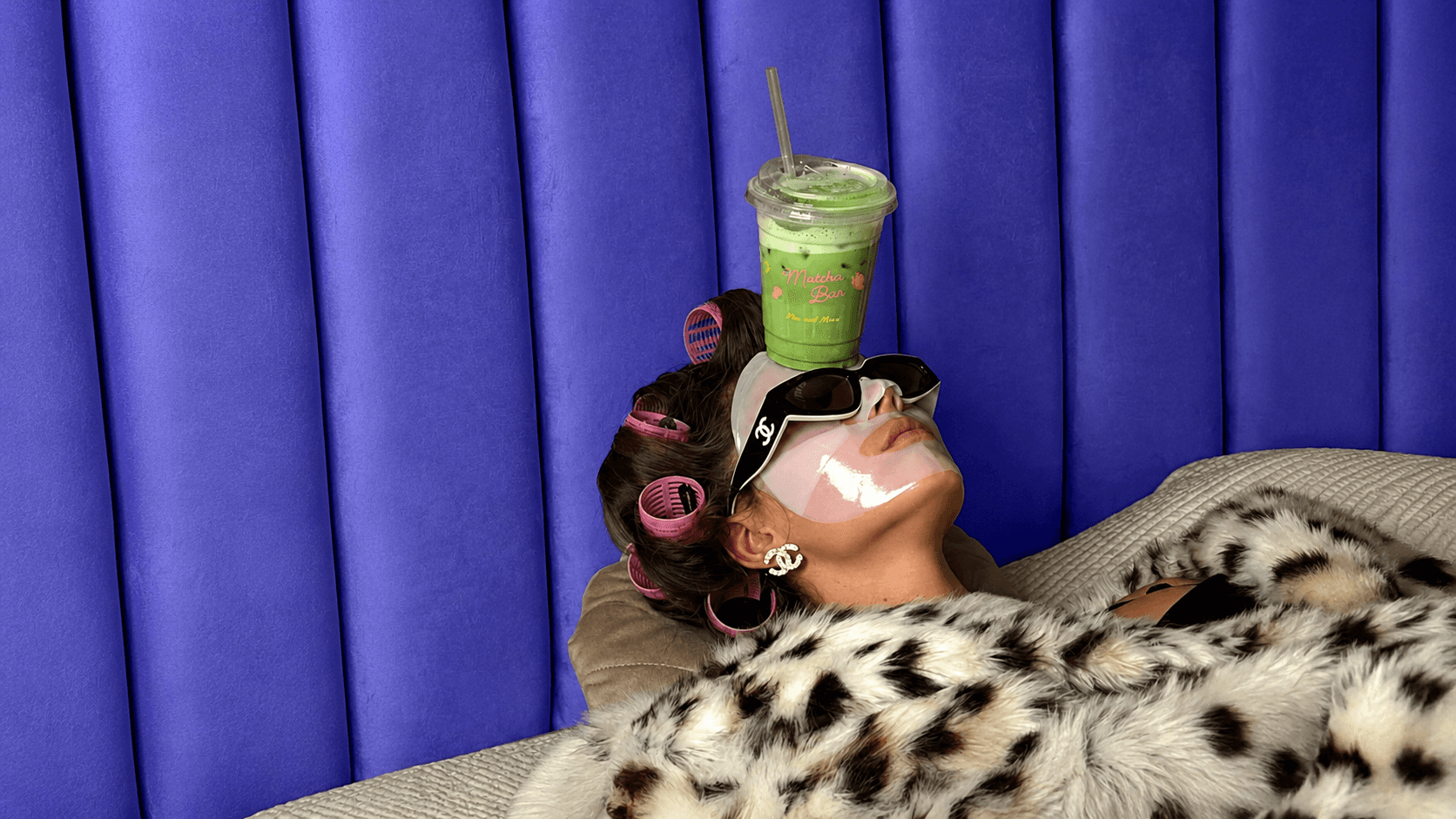
Health, once something we experienced privately, has become something we perform. Every scroll presents a new version of what "wellness" should look like: curated meals, disciplined routines, effortless bodies. Not just lived habits, but visual proof. Because online, it's not enough to be healthy—you have to look like it.
We've cycled through it all: carnivore, keto, no carbs. Avocado toast, green juices, and supplement stacks lined up just right for the camera. And then suddenly, the shift—thin bodies consuming massive portions, framed as balance, freedom, and ease.
The contradiction doesn't confuse us. It reassures us. It keeps us watching.
Because what we're consuming isn't just food content—it's identity.
What we absorb before breakfast
Every morning, before we even get out of bed, we reach for our phones and absorb a flood of new ideas. But more than that, we absorb expectations. Subtle cues about what discipline looks like. What control looks like. What "effortless" looks like. And, ultimately, what we should look like if we're doing it right.
Online, eating has become a form of signaling. A green juice is not just a drink—it's restraint. A protein-heavy meal is not just nutrition—it's discipline. A large portion on a small body is not just food—it's proof.
Proof of balance. Proof of control. Proof of worth.
The gap nobody names
But there's a gap we rarely question: the one between what we see and what is real.
The "effortless" body may be the result of rigid routines. The "balanced" diet may be carefully controlled behind the scenes. The "discipline" we admire may blur into restriction.
And the most dangerous part? It doesn't look dangerous.
Because performance rarely does.
What we actually admire
In nature, we admire animals that are thriving—strong, nourished, full of life. But when it comes to ourselves, we've learned to admire something else entirely. Not vitality, but control. Not nourishment, but absence.
Somewhere along the way, health stopped being something we felt—and became something we displayed.
Same message, new packaging
And this isn't new. It's just evolved.
In the 1920s, cigarette campaigns told women to "reach for a cigarette instead of a sweet," turning appetite suppression into a symbol of elegance. Today, the messaging hasn't disappeared—it's simply been rebranded. Now it arrives as detox teas, diet pills, and aesthetic "wellness" routines, wrapped in minimal packaging and soft lighting.
Different era, same performance.
We are still being sold the same idea—but now, we're also expected to embody it publicly.
To show it. To document it. To turn it into something consumable.
That hunger is power. That control is beauty. That less is better.
Not just beliefs we internalize, but identities we perform.
And maybe the real question is no longer just what we should eat but why so much of our relationship with food has become something we feel the need to prove.
Today's micro-fable:
A village had a well known for its clean water. One season a merchant arrived and began selling bottles of the same water with a beautiful label. The villagers stopped drinking from the well. The water was identical. But the bottle felt like proof of something the well never offered. Years later nobody could remember what the well had tasted like. Only that the bottle had looked right.