The Fine Line Between Confidence and Try-Hard
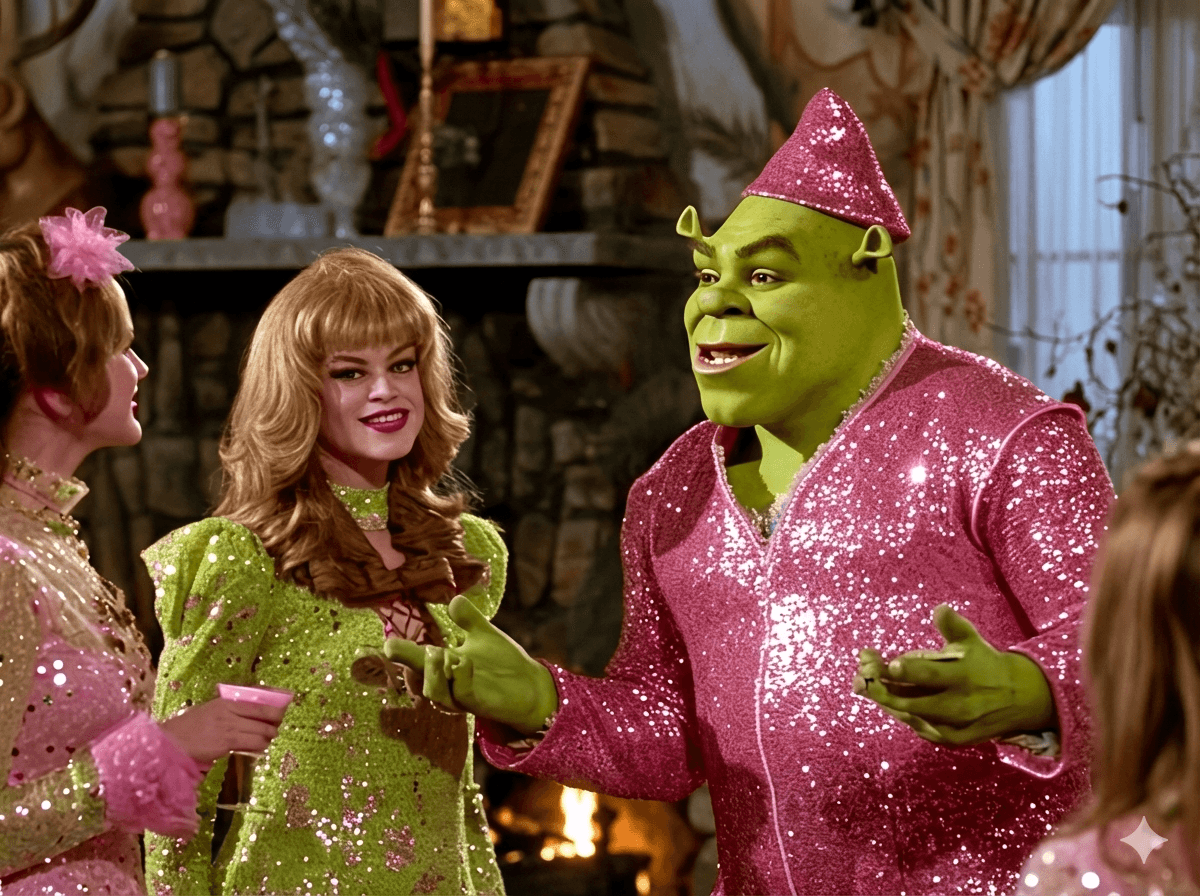
There's a specific kind of cringe that's hard to name in the moment. You're watching someone, reading their post, sitting across from them in a meeting, and something feels slightly off. Not wrong exactly. Just... too much. The energy is a little loud. The joke landed half a second too late. The self-assurance has a faint smell of effort underneath it.
That's try-hard. And the uncomfortable truth is that most people who do it have no idea.
What confidence actually looks like
Confidence, real confidence, has a particular texture. It's not loud. It doesn't announce itself. It's the person at the party who isn't scanning the room to check if anyone noticed them arrive. It's the founder who pitches without apologising for their idea. It's the post that states an opinion without three paragraphs of "just my take, could be wrong, curious what you think."
The defining quality of genuine confidence is that it doesn't need a reaction to exist. It's self-contained. The idea, the person, the presence, none of it is contingent on how the room responds.
Try-hard is the opposite architecture. It looks like confidence from a distance but it's built facing outward, toward the audience, calibrated to produce a response. The swagger that needs to be clocked. The humility that needs to be praised. The boldness that quietly checks the likes.
How the slide happens
Nobody wakes up and decides to be try-hard. It's a drift, and it usually starts from a reasonable place.
Someone gets told they need more executive presence, so they start performing authority. Someone reads that vulnerability builds connection, so they engineer vulnerable moments. Someone notices that a certain tone gets engagement, so they adopt it, then live inside it until they can't remember which came first, the tone or the person.
The internet accelerates this. Platforms give you data on what version of yourself performs best. Over time, without noticing, people start optimising for the metrics rather than the message. The feedback loop is slow enough that it never feels like a conscious decision. It just feels like growth.
But the audience notices. Not consciously, not always, but somewhere in the body. There's a low-level signal that fires when effort is being concealed rather than expressed. When someone is working to appear a certain way rather than simply being it. Humans are surprisingly good at detecting this, even when they can't articulate what they're sensing..
The LinkedIn pressure cooker
LinkedIn has created a specific strain of try-hard that deserves its own category. The hustle post with the casual tone. The achievement that gets framed as a lesson for others. The "I don't do this for validation" caption, posted for validation. The personal brand so carefully constructed that every post feels like it was approved by a PR team before it went live.
The people doing this often genuinely believe they're being authentic. Which is maybe the saddest part. They've optimised so thoroughly that the performance has replaced the original signal entirely.
The thing nobody says out loud
Try-hard isn't about effort. Effort is fine. Effort is honest. Try-hard is about hiding the effort while the effort is the most visible thing in the room.
Confident people can work incredibly hard and it reads as passion. Try-hards can coast and it reads as strain. The difference isn't the amount of energy being spent. It's whether the person is doing it for the work or for the watching.
The line between confidence and try-hard isn't really about behaviour at all. It's about direction. Who are you facing when you do the thing. Yourself, or the room.
Most people, if they're honest, already know which one they're doing.
Today's micro-fable:
There was a boy who learned to walk by watching other people walk. He studied the angles, the rhythm, the way confident people let their arms swing. By seventeen he had the walk perfected. Strangers said he moved like someone who owned the place. His feet, though, never stopped hurting.