Stop Improving Yourself, Start Observing Yourself
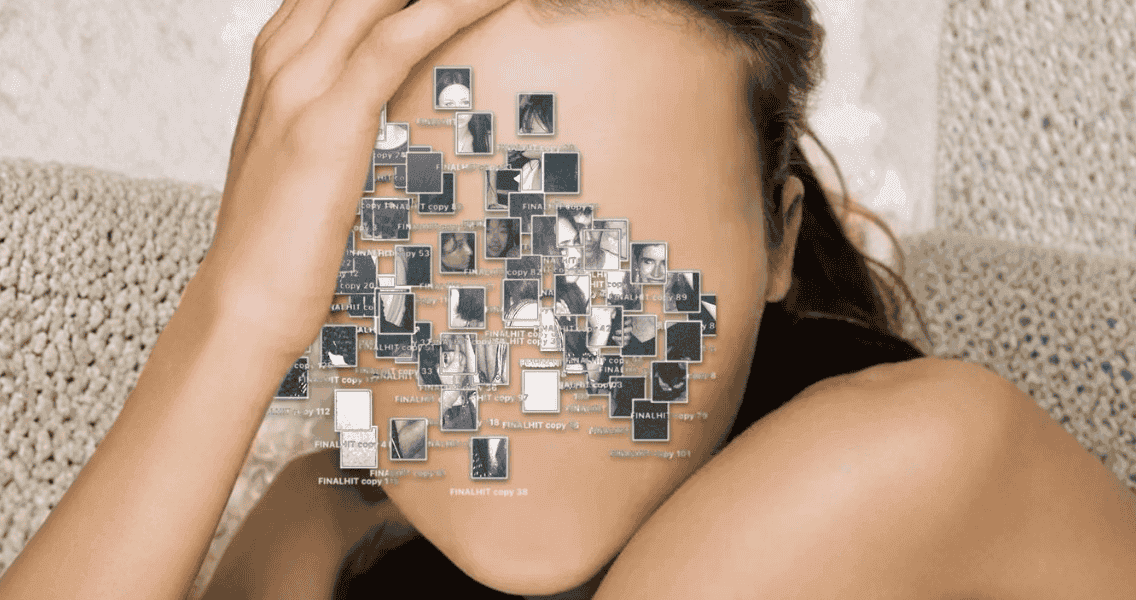
There was a point where I realised something about myself that no book, no habit tracker, no morning routine had ever surfaced. I wasn't doing anything special. I was just paying attention, actually paying attention, without immediately reaching for a solution. And that single moment of honest observation shifted something more permanently than months of deliberate self-improvement had managed.I've been thinking about why that is ever since.
The industry that skips the most important step
The self-improvement industry is enormous, estimated at hundreds of billions globally, and it is built almost entirely on one assumption. That you already know what's wrong with you and just need the tools to fix it. Here's your habit stack. Here's your morning routine. Here's the journaling framework, the cold plunge, the dopamine detox, the system for becoming the person you want to be.
All of it arrives after the diagnosis has already been made. Usually by someone else. Usually by the content that made you feel broken enough to click.
What almost none of it asks is whether the diagnosis is correct. Whether the thing you're trying to fix is actually the thing. Whether you have ever stopped long enough to look at yourself without immediately converting what you see into an action plan.
Observation is not a step in the self-improvement process. It's supposed to come before the process exists. Most people skip it entirely and go straight to optimising.
What optimising without observing actually produces
People who are deep in self-improvement culture often have very sophisticated systems for managing themselves. Sleep tracking, habit streaks, weekly reviews, quarterly goal setting. The architecture is impressive. The self-knowledge underneath it is sometimes surprisingly thin.
Because the systems were built to fix a feeling, not to understand a pattern. The anxiety was uncomfortable so they built a system to reduce it. The procrastination was a problem so they built a system to overcome it. The system works, partially, sometimes, until it doesn't, and then they look for a better system.
Nobody stopped to ask where the anxiety came from. Nobody got curious about what the procrastination was protecting. The symptom got managed and the root stayed untouched, growing quietly underneath all that optimised behaviour.
This is not a personal failing. It's what the industry incentivises. Observation doesn't sell courses. Noticing doesn't have an affiliate code. The moment you sit quietly with something and just watch it, without trying to change it, you stop being a consumer of self-improvement content. Which is exactly why that step never makes it into the framework.
What noticing without judgment actually requires
Genuine self-observation is uncomfortable in a way that's different from the discomfort of hard habits. A cold shower is physically unpleasant but emotionally simple. You do it or you don't. Watching yourself honestly, without rushing to fix or excuse or reframe what you see, requires something harder. The willingness to sit with an unflattering truth long enough to actually understand it.
Most people can't do this for more than about thirty seconds before the self-improvement instinct kicks in. They see something uncomfortable and immediately convert it into a goal. I need to be less reactive. I need to work on my confidence. I need to stop doing that thing. The observation gets swallowed by the solution before it's had time to tell you anything real.
The noticing has to come first. Not as a step toward fixing. Just as a practice of seeing clearly. What actually happened in that moment. What you actually felt, not what you think you should have felt. What you actually want, underneath what you've told yourself you want.
That kind of honesty is rarer than any morning routine. It's also the only thing that changes anything at the root.
The uncomfortable conclusion
You might be improving the wrong things. Not because the habits are bad or the goals are wrong, but because they were chosen before you'd looked carefully enough at what was actually there. Before you'd sat with yourself long enough to notice the pattern underneath the pattern.
The most useful thing you could do this week probably isn't another system. It's ten minutes of honest observation with nowhere to put what you find.
Just noticing. Without converting it into anything.
See how long you can last.
Today's micro-fable:
A king called his three wisest advisors and asked them how he might become a better king. The first brought a book of laws. The second brought a map of the kingdom. The third brought nothing. The king asked the third advisor where his gift was. The advisor said: "I spent the week watching you. I know which decisions you make well and which ones you make afraid. The book and the map cannot tell you that." The king had the third advisor removed from court. He consulted the book and the map for the rest of his reign.