The Unhinged Era Is Over. Nobody Told the Interns.
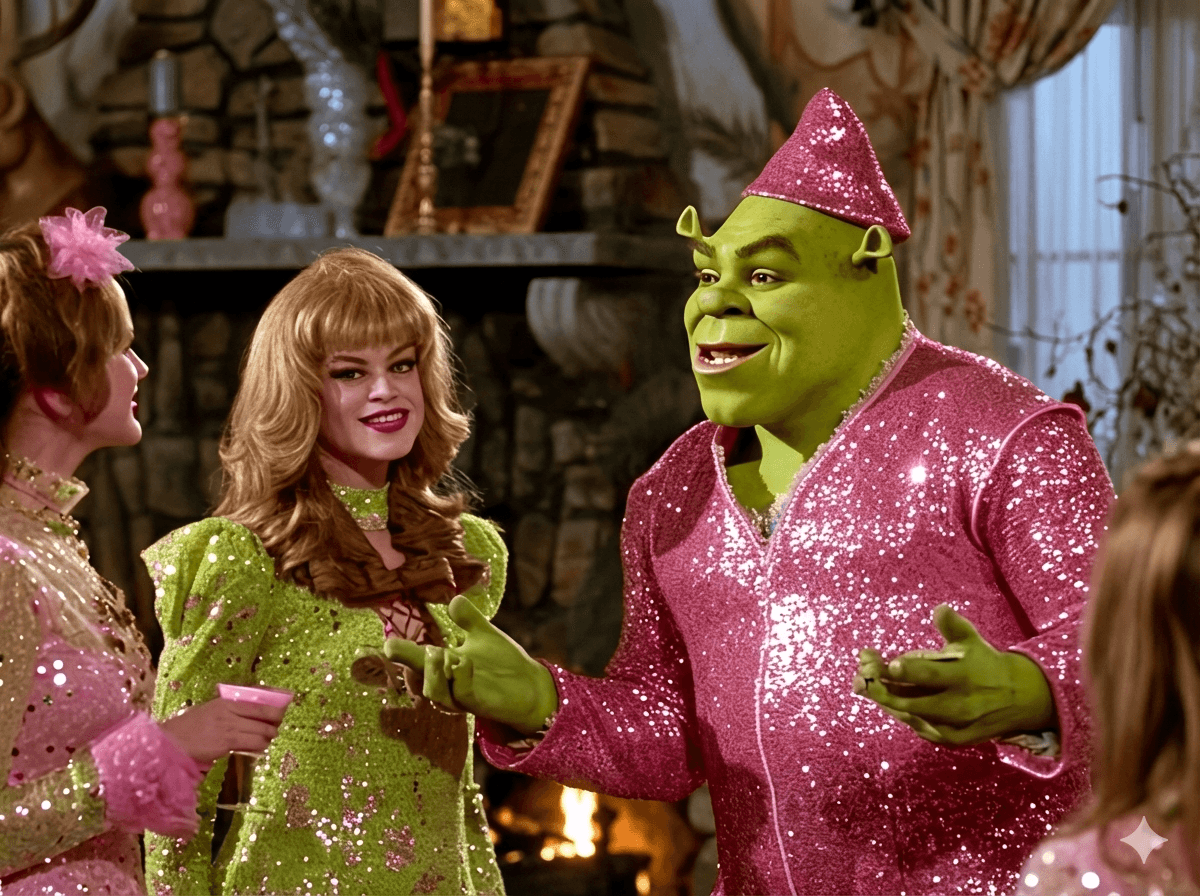
Duolingo is recalibrating. Fewer butt jokes. More balance. Their CMO calls it a shift. From absurdity as strategy back to something more measured.
Nobody says it plainly, so I will.
The unhinged brand era is dying because everyone copied the surface of it and nobody understood what made it work.
Duolingo worked in 2021 because it was singular. One brand behaving like that owl. By the time every SaaS tool, airline, and HR platform had a TikTok account posting chaos in a branded hoodie, it stopped being strange. It became format.
And the moment something becomes a format, it stops being authentic.
This is the part people miss. Authenticity doesn’t die because it’s wrong. It dies because it becomes reproducible.
What happened in Malta
I was at EU Startups Summit in Malta recently. Every second panel mentioned founder-led content. Human voice. Authentic storytelling.
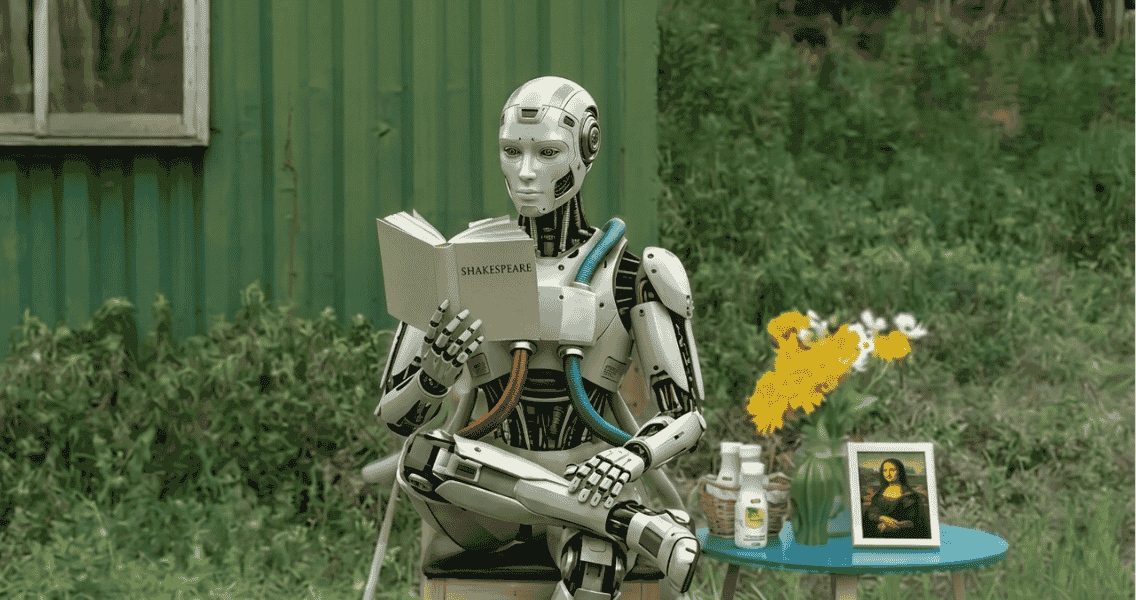
The warning was always the same: AI content is flooding everything and it all sounds identical.
The advice followed predictably: write like a human.
Then the room emptied into hotel lobbies, and half of those same people opened ChatGPT to write their LinkedIn follow-ups.
Nobody is being hypocritical. They’re just responding to the same pressure in two different environments.
The advice is correct. The execution fails for the same reason every time: authenticity is not something you can schedule.
The gap is simple. The internet doesn’t reward authenticity. It rewards the signal of authenticity.
And signals don’t survive formatting.
The design version of the same problem
You see it in design too.
“Slop” was Merriam-Webster’s Word of the Year in 2025. AI-generated content at scale. Fast, polished, forgettable.
Now brands are overcorrecting. Hand-drawn textures. Intentional imperfections. Crooked lines. Anything that proves a human made a choice.
Gucci ran an AI campaign and got dragged for it. Not because it was ugly. Because luxury is supposed to signal time, attention, effort. AI removed all three at once.
The irony is simple. The more perfect everything becomes, the more people start looking for proof that a person was involved at all.
The intern solution
And still, the most common solution is to hire an intern.
“Run the TikTok.”
“Do the LinkedIn.”
“Make it feel human.”
What that really means is: simulate a voice we haven’t defined.
So the output becomes fluent, safe, slightly amused, completely interchangeable.
Not wrong. Just unplaceable.
The problem isn’t the intern. The problem is the absence of a position.
Because you cannot outsource having something to say.
And you definitely cannot brief it into existence.
The gap nobody is looking at
Most people only find out how they sound after they publish.
They post, they wait, they interpret the reaction as identity feedback.
But there’s a delay in that system. A dangerous one. By the time you learn how you came across, the version of you that created it is already gone.
So people optimise backwards. They try to sound like what performed well instead of what was actually true.
That’s how everything slowly converges into the same tone.
What actually works
Duolingo isn’t retreating. It’s just outgrowing a format it accidentally helped define.
The copies will keep going for a while. That’s what copies do.
But the thing that actually works now is not “human content.”
It’s specificity.
Something that could only have come from one place, one person, one set of contradictions.
A perspective that isn’t trying to feel authentic.
Just one that isn’t trying to sound like anything else.
That’s the difference.
And it’s getting harder to fake.
Today's micro-fable:
A jester made the king laugh every night for seven years. The court loved him. Then other jesters arrived, each one funnier than the last, each one studying his moves. The king still laughed but the jester noticed something. The laugh had changed. It had become the laugh of someone watching a performance rather than someone surprised by a person. One evening he told a joke nobody found funny. Just a thing he actually thought was true. The king was quiet for a long time. Then he laughed.