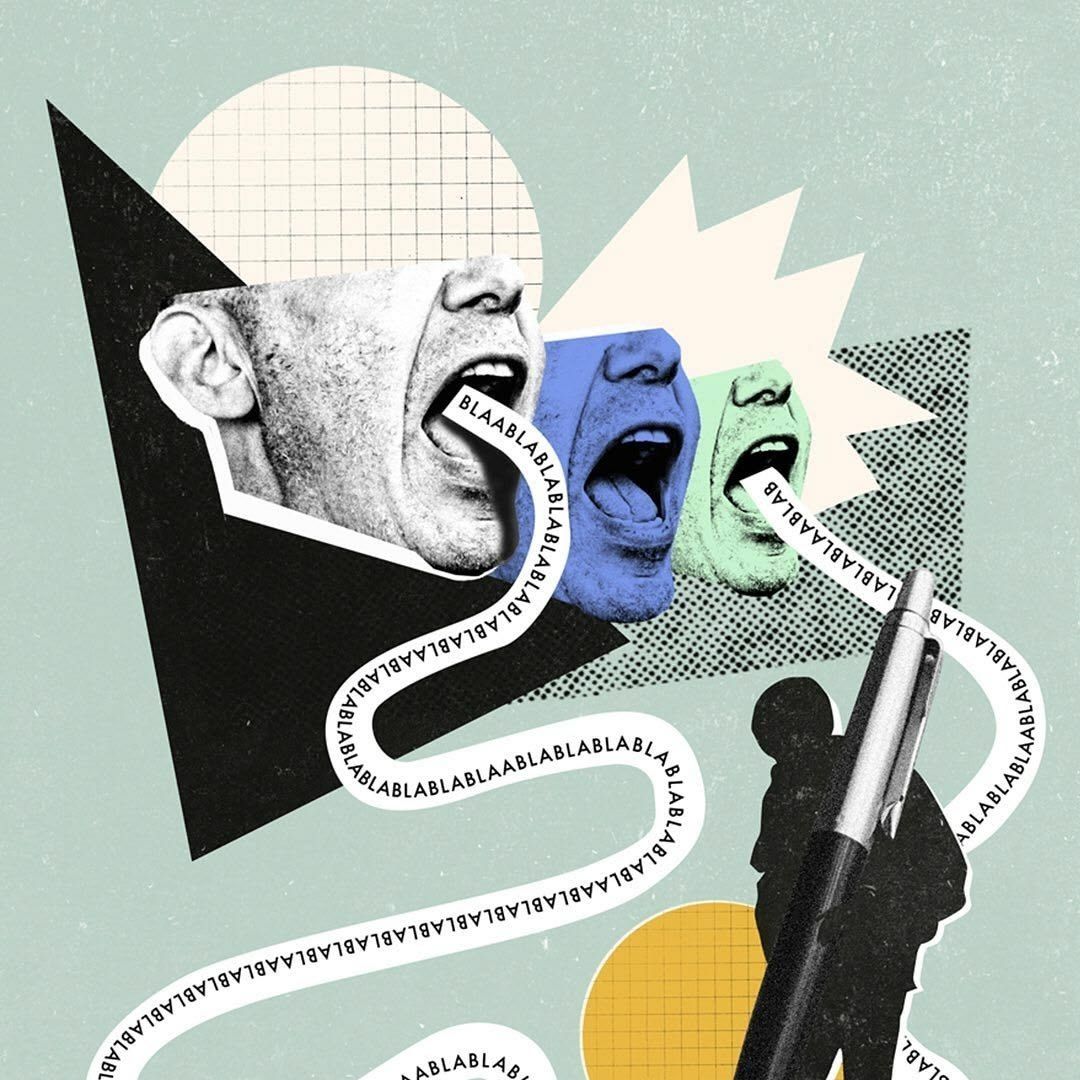
Psycho-Cybernetics & Self-Image in the Age of the FYP
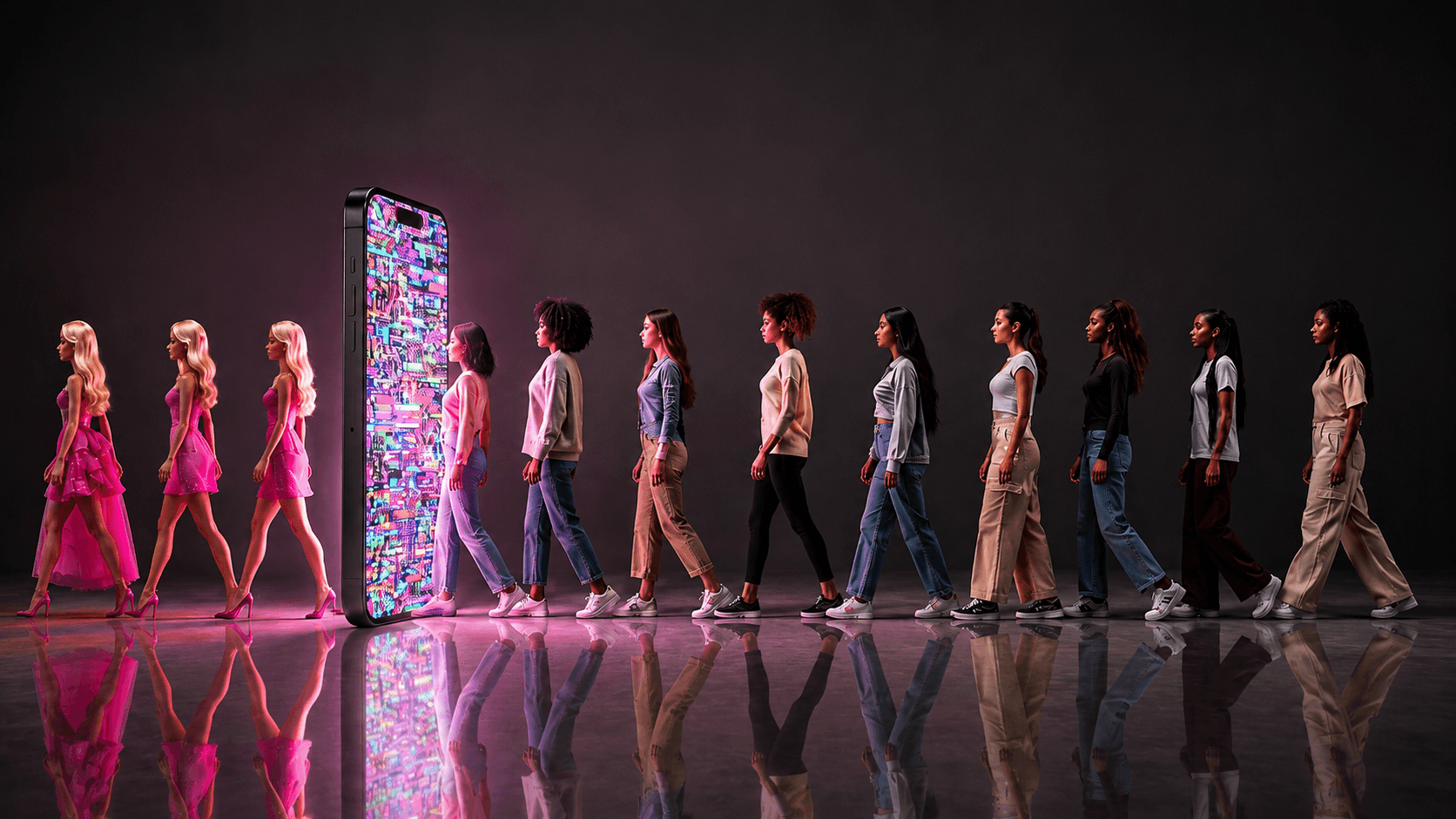
We live in the most self-expressive era in human history. And yet 62% of young adults consider their identity to be fluid rather than fixed, 49% of teenagers who explore different identities experience anxiety in the process, and 62% of people with unresolved identity issues experience lower self-esteem as a direct result.
The feed gave everyone a voice. Then filled it with templates.
Maxwell Maltz saw a version of this coming in 1960, long before any of the technology existed. His insight, developed not from social media research but from years of performing plastic surgery, was precise and uncomfortable. You can't navigate toward yourself if you don't have an honest image of where you're starting from. Most people, he found, were navigating toward an image that wasn't theirs. The face changed. The self-image didn't.
His book, Psycho-Cybernetics, kept me captivated these days. His hypothesis is that the brain is like a machine, give it an honest image and the system corrects toward it automatically. Give it a borrowed image, and you spend your life navigating toward a destination that was never yours.
The feed has no interest in accuracy. Only in stickiness.
While some would argue Maltz’s points are outdated, I found it quite suitable in the reflection of current environments. How identity forms comes to two categories of causes for identity crises. Internal factors including inadequate emotional regulation and insecurity. External factors including social pressure, non-supportive environments, and the influence of social media. What research shows is that these categories feed each other in a loop. Insecurity makes you more susceptible to external pressure. External pressure creates more insecurity.
The mechanism through which social media enters this loop has a specific name in research. It is called the evocation-application loop. Identity processes relate to how people select digital environments, make identity claims through self-presentation, evoke responses from algorithms, and then apply social comparisons and feedback gleaned from those environments in ways that influence their identity further. In plain language: the feed responds to who it thinks you are, you respond to what the feed shows you, and gradually the line between the two becomes difficult to locate.
A 2025 study found that algorithms generate identity labels for consumers to attract engagement, and that these labels then promote identity-consistent product preferences, meaning people start buying and behaving in ways that confirm the identity the algorithm assigned them.
Authenticity as a new aesthetic.
Generations have been trained, through years of social media conditioning, to perform openness. Vulnerability as content. Personal disclosure as engagement strategy. Authenticity as aesthetic.
And yet real vulnerability, the kind that costs something, the kind that doesn't have a tidy narrative arc, the kind that might make someone think less of you rather than more, is being quietly relabelled as pathological. The term trauma dumping has entered mainstream discourse to describe oversharing extremely personal experiences, framing genuine disclosure as a social liability.
The data reflects the tension. A survey of 1,014 active daters found that 38% said early oversharing made them trust the other person less, compared to only 27% who said it built trust. Gen Z was most likely to find early vulnerability attractive and simultaneously most likely to overshare out of loneliness. They want connection. They perform vulnerability to get it. It backfires. And the gap between what they performed and what they actually felt widens a little more each time.
The result is a generation fluent in the language of authenticity and increasingly unable to practice it. People who know how to seem open and struggle to be open. Who have a sophisticated vocabulary for selfhood and a shaky grip on the self.
You can feel when someone is performing rather than being.
There is an argument that performing a managed, careful version of yourself online is at least strategically sensible even if it's not authentic. The 2025 Influencer Trust Index suggests this argument is losing ground. The biggest trust killer, cited by 80% of consumers, is people online who are not genuine or transparent. Authentic perspectives, including negative ones, were trusted by 79% of people surveyed.
And the algorithmic reality has shifted to match. In 2026, visibility is driven by credibility over cadence. Platforms including TikTok, LinkedIn, and increasingly AI-powered discovery engines actively prioritise originality, clarity, and genuine perspective over polished production and managed presentation. The strategy of hiding yourself to avoid judgment is now being algorithmically punished.
Conformity has real costs beyond the psychological. A study found that young adults are consistently more susceptible to social conformity pressures than middle-aged and older adults. The people who choose to blend in gain short-term social safety and lose long-term credibility, distinctiveness, and the kind of genuine connection that requires something real to connect with.
Before you can be authentic, you have to know yourself.
Maxwell Maltz began developing Psycho-Cybernetics after noticing something that troubled him professionally. He was a plastic surgeon. Many of his patients remained insecure and unhappy after surgeries that objectively improved their appearance. The physical problem was solved. The psychological one persisted. Which led him to the conclusion that the face was never the real subject. The self-image was.
His central argument is that the brain operates like a cybernetic system, a goal-seeking mechanism that navigates toward whatever image you hold of yourself. Not the image you perform for others. The image you actually hold internally, often below conscious awareness, assembled from experiences, feedback, absorbed references, and borrowed templates accumulated over years.
The system is automatic and largely unconscious. Which means that if the image you're navigating toward was assembled from what your feed confirmed, what your algorithm rewarded, what the templates around you suggested a person like you should be, then the system is working perfectly efficiently toward a destination that isn't yours.
Maltz found that changing the self-image required honest examination of the image you were currently holding and deliberate construction of a more accurate one. He observed that patients needed a minimum of 21 days to form a new mental image of themselves, a finding that became the basis for the popular idea that habits take 21 days to form, though modern research suggests 66 days is closer to accurate.
The more relevant point for this post is not the timeline. It is the prerequisite. Before you can build an accurate self-image, you have to see the current one clearly. You have to hold it up honestly and ask how much of it is actually yours and how much arrived from elsewhere and was never questioned.
That examination is harder now than it has ever been, not because people are less self-aware, but because the systems surrounding them are more sophisticated, more personalised, and more commercially motivated to prevent exactly that kind of honest looking.
What does it actually mean to know yourself.
It probably doesn't mean finding some essential, unchanging core self beneath all the influences. It probably means something more practical and more difficult. Developing the ability to distinguish between what you actually think and feel and want, and what you have been told to think and feel and want by systems that benefit from your confusion.
A cliché, I know, and still. Think of a girl who became a model because being a model is the dream. The aesthetic fits the feed. The identity is legible, admirable, instantly understood. But maybe she would rather have been someone who bakes bread at five in the morning for no audience at all. The life she is living is coherent and photogenic, but is it hers?
This happens in quieter ways too. In careers chosen because they matched a template that arrived early. In versions of yourself assembled from absorbed references that were never examined closely enough to be claimed or discarded.
Can one live an entire life inside a self-image that was partly borrowed and never notice? When the borrowed image is functional and the people around you confirm it and nothing ever forces you to hold it up to the light.
That is perhaps the most uncomfortable thing I learned from Maltz. Not that people have the wrong self-image. But that most people never examine it at all.
You cannot get anywhere true from a borrowed map. But how many people reach the end of the journey before they think to check whose map they were using?
Today's micro-fable:
A cartographer spent his life making maps of a kingdom he had never visited, working from descriptions other travellers brought back. The maps were beautiful and widely used and considered highly accurate. One day he finally made the journey himself. The kingdom was nothing like his maps. He sat down by the road for a long time. Then he took out a fresh sheet and began again from what was actually in front of him. The second map was less beautiful, but far more useful.