Your Sponsors Tell Me More About You Than Your Mission Statement

I learned about sponsorship ethics long before I worked in marketing.
At sixteen, I was volunteering for NGOs and youth organizations. We organized conferences, workshops, awareness campaigns, and community projects. Every event required funding, which meant every event eventually led to the same discussion: who would sponsor us?
Some decisions took seconds. Weapons manufacturers were out. Tobacco companies were out. Alcohol brands sponsoring youth-focused initiatives were out.
Nobody viewed those conversations as particularly complicated. The reasoning felt obvious. A sponsor wasn't simply paying for a banner in the corner of a room. Their logo would appear on event materials, social media posts, websites, presentations, and press releases. Their name would become attached to ours.
The sponsorship represented a relationship. Back then, ethical sponsorship felt relatively straightforward.
Today, I find the conversation far more interesting because the obvious villains have largely disappeared.
The difficult decisions now live in a space where there are no universally accepted answers. And nowhere is that more visible than in the creator economy.
Mission statements have become cheap. Most creators care about empowerment. Most brands care about community. Most organizations care about impact.
Read enough About pages and everyone starts sounding like they attended the same copywriting workshop.
Sponsors tell a more interesting story. Sponsors require decisions. Sponsors require compromises. Sponsors reveal priorities.
That's why I often pay more attention to who a creator works with than what they say they believe in.
Emma Chamberlain turned alignment into an art form
Emma Chamberlain never felt like a traditional influencer to me.
While others chased every brand deal, she built on things people already associated with her.
Take Chamberlain Coffee. It wasn't a random business idea. Coffee had been part of her content for years.
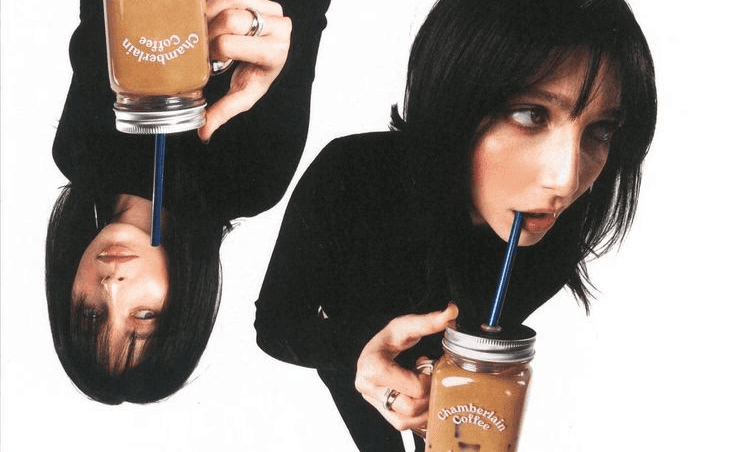
That's why it worked. People call it authenticity. I think it's mostly consistency.
The best creator partnerships don't make people ask, "Why are they doing this?"
They make people think, "Yeah, that makes sense."
Jameela Jamil built a reputation through refusal
Jameela Jamil built her reputation as much through the partnerships she refuses as the ones she accepts.
While many creators keep their options open, she's been consistently vocal against detox teas, appetite suppressants, and products that profit from insecurity.
That clarity has become part of her brand.
Through I Weigh and years of advocacy around self-worth, mental health, and body image, she's created a clear set of values. Promoting the very products she's spent years criticizing would feel completely out of character.
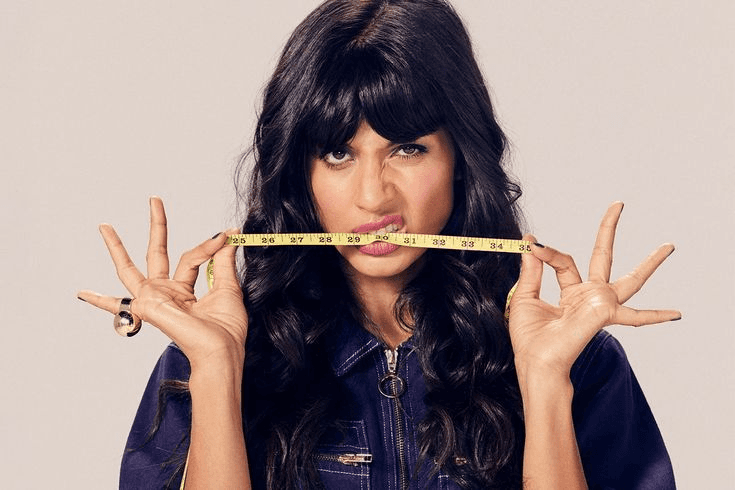
Every creator talks about the opportunities they want. Jameela Jamil reminds us that your brand is also shaped by the opportunities you're willing to lose.
Hunter Schafer understands that visibility comes with responsibility
Hunter Schafer understands something a lot of public figures don't: visibility comes with responsibility.
Long before Euphoria, she was advocating for transgender rights and representation. That history shapes how people view her partnerships today.
When brands like Prada or Shiseido work with her, they're not just partnering with an actress or model. They're partnering with someone who represents something larger.
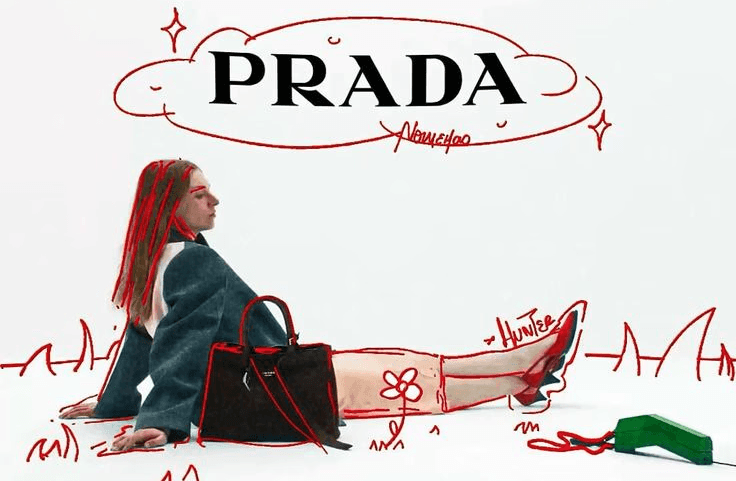
Her collabs feel like a continuation of her story, not a detour from it.
People don't mind creators making money. They mind when the partnership doesn't make sense.
With Hunter Schafer, the narrative stays consistent. The collaboration supports the story instead of rewriting it.
Sophia Roe understands that values need structure
Sophia Roe stands out because she has never built her platform around aspiration. She's built it around honesty.
While many food creators focus on perfect recipes, aesthetic kitchens, and curated lifestyles, Sophia talks openly about the realities that shape how people eat: poverty, food insecurity, mental health, trauma, and access.
That vulnerability is what makes her voice so powerful.
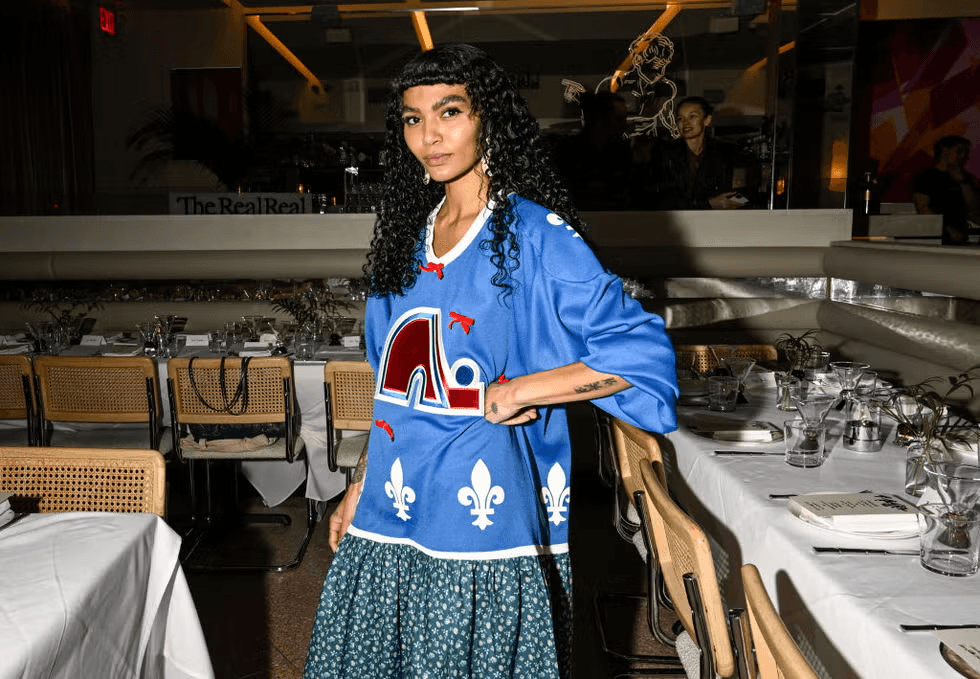
People trust Sophia because she doesn't separate food from the people eating it.
Every recipe, conversation, and project feels rooted in lived experience rather than trends.
That's also why her partnerships tend to land well. They feel like an extension of her work, not a distraction from it.
Sophia Roe proves that influence isn't always about selling a lifestyle. Sometimes it's about helping people feel seen. And that's a much harder thing to fake.
The strongest creators rarely separate business from identity
Emma Chamberlain, Jameela Jamil, Sophia Roe, and Hunter Schafer have built very different careers.
One transformed from YouTuber into entrepreneur and fashion figure. One became a prominent advocate challenging harmful beauty standards. One built a platform that combines food, social justice, and community care. One navigates the intersection of fashion, art, and transgender visibility on a global stage.
Yet they share a common trait.
Their partnerships feel connected to the stories they have been telling for years.
Every creator has a rate card.
Far fewer have a list of things they won't sell.
The second list usually reveals far more about a person than the first.