Your Personality Is Being Algorithmically Edited
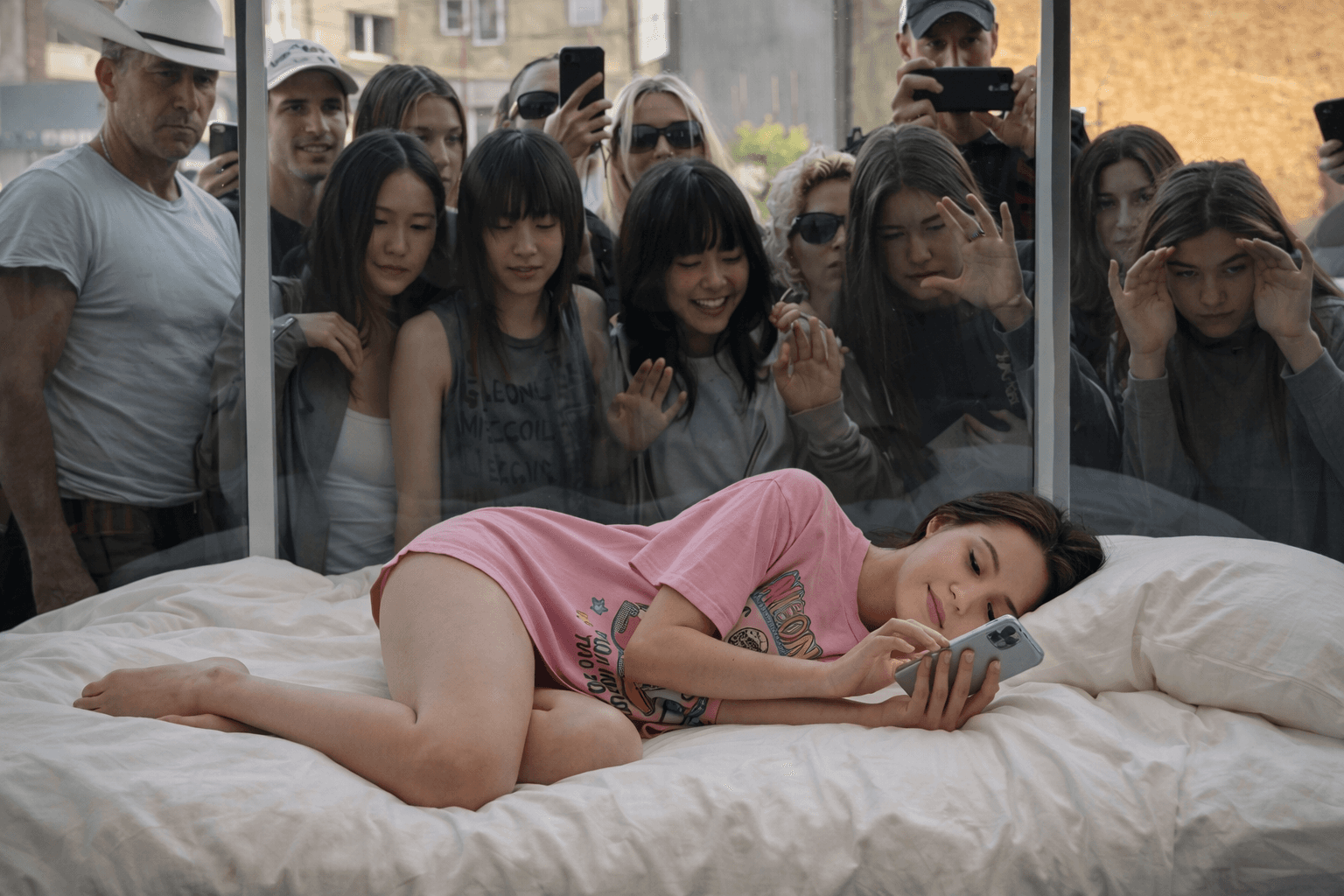
The two-hour podcast clip about discipline gets reposted. The accountability thread gets shared. The “I deleted TikTok and read fifty books this month” carousel gets thousands of likes from people still mid-scroll. The engagement is not about the content. It's about the identity signal. What you publicly interact with is a curated performance of who you want to appear to be.
This week someone posted on LinkedIn about a new AI tool they'd built. It did the entire go-to-market for you, they said. Could replace any marketing team. Revolutionary. The post went viral. Hundreds of comments asking to get access. Thought leadership replies flooding in, adding nuance, citing implications, sounding extremely informed.
The post was a joke. A satire. The tool didn't exist.
The post went so viral AI itself had indexed the post as a real source. Ask it about the tool and it would give you a confident, sourced breakdown of something that never happened. The comments had become the citations. The hype had become the record.
People hallucinated before AI did.
And that's the thing about how we consume content right now. People didn't necessarily interact with that post because they believed it. They shared it because evaluating it properly would have taken time they didn't have and attention they'd already spent.
Is your feed feeding you or feeding on you?
They talk about short-form content killing attention spans as though that's the point. It isn't. The attention span is just a symptom. What's actually being eroded is something more foundational. Critical thinking. The ability to sit with a piece of information long enough to actually evaluate it.
Fast content doesn't give you time to think. That's not an accident. It's the architecture. The scroll is engineered for speed, for the next stimulus before the current one has been processed. And a brain trained to process at that speed stops developing the slower muscle entirely. Not because it can't. Because it hasn't needed to in a long time.
What you're left with is two filters. Is this going to reflect well on me. Is this going to feel good. Both are dopamine questions. Neither requires thought. And both get answered in under a second, which is exactly how fast the content is moving.
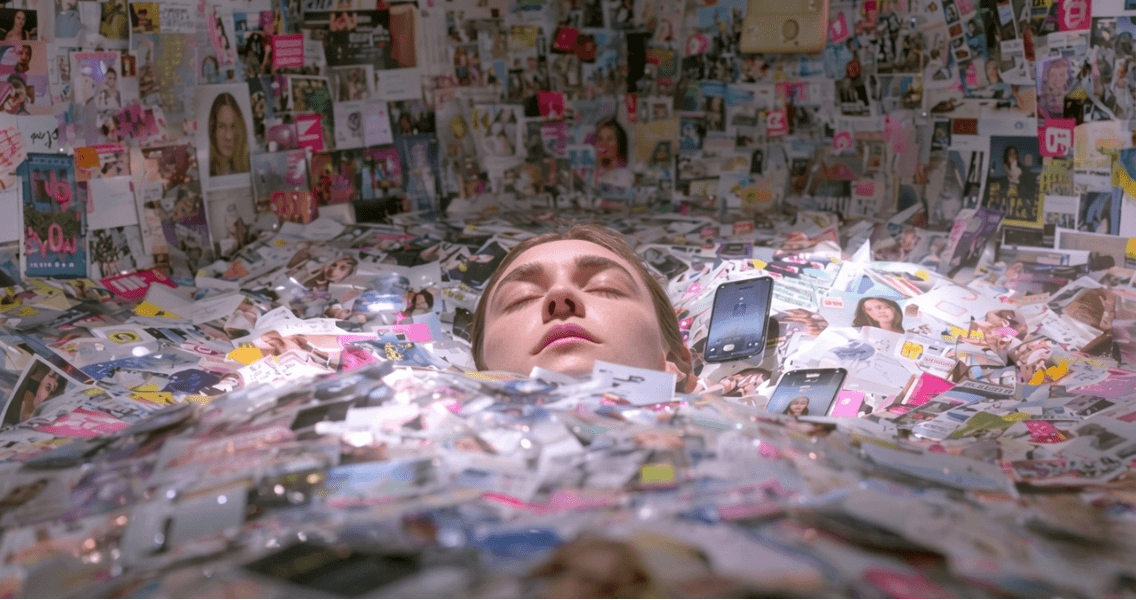
Stanford addiction psychiatrist Anna Lembke, in Dopamine Nation, describes what this does to the brain over time. Fast content activates the reward system identically to slot machines. Dopamine floods in. You feel stimulated. You engage. But tolerance builds rapidly. The more hits you collect the more you need to feel anything. And the crashes between hits get longer and flatter. Lembke calls this the dopamine deficit state. A low-grade blunting that follows overstimulation. Users report feeling not quite themselves. Like their reactions have been borrowed from somewhere else.
Serotonin deficit as a personality trait?
I used to have serotonin deficiency; my doctor said, get a cat. Think of dopamine as the hit. Serotonin is the state. Dopamine drives you toward the next thing. Serotonin is what makes you feel okay being where you are.
It gives you the patience to follow a long argument. The stability to sit with discomfort rather than scroll past it. The capacity to form an opinion that's actually yours rather than assembled from things that felt good to agree with. Without it, you're operating from a permanently reactive state. Stimulated but not deep. Present but not quite there.
What my doctor didn't mention is that half the internet is in the same condition. Not clinically. But functionally. A brain running on constant dopamine spikes stops producing serotonin effectively. The deficit isn't just a biological thing. It's a personality issue.
This is where it gets deep. Philosopher Byung-Chul Han described this as "the self becoming indistinguishable from its algorithmic persona". Tristan Harris, former Google design ethicist, is less philosophical about it. He calls platforms "brain hijackers". Engineered systems that exploit psychological vulnerabilities to capture attention at the cost of coherent selfhood. The cost, in other words, is your personality.
How does this make you come across
The content you consume in private is becoming the personality you project in public. Not your opinions about the content. The actual cognitive texture of how you think. Whether there's an interior life behind your words or just a very convincing feed.
People can feel the difference even when they can't name it. Someone whose thinking has been flattened by fast content has a particular quality. Stimulated but not deep. Quick but not considered. Engaged but somehow not quite there. You've met this person. You might be this person some days. We all are, a little, now.
The LinkedIn post about that AI that went viral is the most visible version of what's happening constantly at a smaller scale. Reactions replacing reflection. Speed replacing accuracy. Identity signals replacing actual thought.
The first generation to grow up online is aging out of it
In January 2026, searches for "analogue bag" surged 160%. Polaroids, knitting needles, watercolours, paperbacks, packed deliberately as antidotes to screen time. The trend started on TikTok.
Gen Z is building personal curriculums, learning baking, philosophy, ceramics, for no grade and no audience. The dumb phone market is growing. The anti-scroll movement going viral on scroll platforms is not ironic. It's a cry for help, wearing the only costume it knows.
-
Someone messaged me recently about Odassity. She said she couldn't describe it other than it felt quiet. She heard her own thoughts and was able to have a conversation with herself while reading.
She also said she'd noticed people around her feeling like they were getting duller. Not less intelligent. Just less sharp. Less able to sit with a thought. Less themselves.
And then she asked, almost as an afterthought: do you think people will read blogs again?
I didn't have a clean answer. I still don't. Most people will choose the fast version. Most feeds will keep winning. The architecture of the internet is not built for quiet, and it's not going to rebuild itself.
But someone took the time to write that message. And someone else is reading this right now.
As for the micro-fable, a short one this time:
A village elder asked each child what they wanted to be. Every child gave a different answer. Years later he asked again. Every adult gave the same one. Nobody remembered changing their mind.